Inspiring Older Individuals to Engage in Fitness Through Evidence-Based Exercise Guidelines
Wiki Article
Keeping energetic is crucial for people of all ages, but it becomes especially significant as persons mature. For seniors, regular physical activity assists in preserving independence, supports flexibility, and boosts overall well-being. Well-rounded exercise guidelines offer aging individuals with structured strategies to physical health that cover stability, mobility, power, and resilience. By following well-designed fitness programs, elders can enhance their quality of life while lowering the chances of falls, health conditions, and mental health challenges.
Physical fitness for seniors is not limited to demanding workouts or rigorous gym workouts. It focuses instead on moderate, consistent, and maintainable activity that fits individual ability levels. Exercises such as walking, mobility work, gentle yoga, and strength conditioning help preserving joint flexibility and strength. Aerobic workouts like aqua aerobics or stationary cycling enhance heart health, which are key for supporting daily energy and performance. These forms of activity also enhance brain health, as studies have demonstrated that consistent activity can boost memory, outlook, and focus.
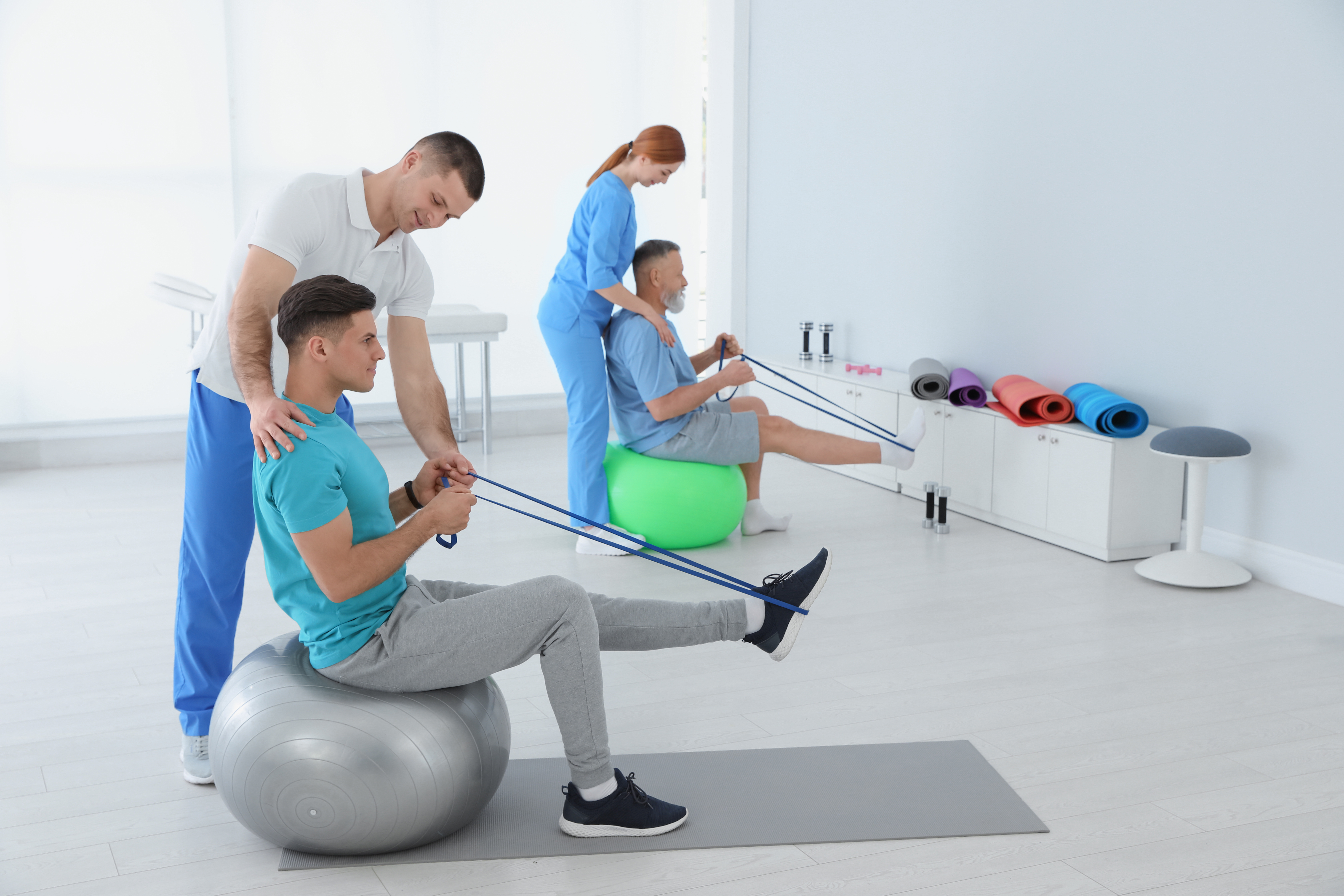
Holistic training plans emphasize a well-rounded strategy to wellness, covering bodily, emotional, click this link now and community aspects of health. Older adults are guided to start gradually and advance at a steady rate, guaranteeing security while reducing strain. Adding warm-up and cool-down routines reduces muscle soreness, while proper fluid intake and diet support exercise routines. Additionally, social exercise settings—such as community walking clubs or community walking programs—offer avenues for companionship, motivation, and mental connection, which are crucial to overall health.
Qualified instruction acts as a crucial role in assisting aging individuals build personalized fitness programs. Seeking advice from physicians, physical therapists, or qualified instructors guarantees that routines are aligned to individual health conditions, physical capabilities, and objectives. These specialists can design safe training methods that account for issues such as mobility concerns, osteoporosis, or cardiovascular limitations. Through ongoing monitoring and refinement, training programs continue to be productive and rewarding, supporting long-term participation and success.
In conclusion, motivating older adults to embrace fitness through comprehensive exercise guidelines fosters a culture of healthy living. When seniors are provided with understanding, confidence, and structured support, they gain confidence in their physical abilities and experience greater autonomy. Consistent movement boosts not only muscle capacity but also focus and well-being. By supporting adaptive, expert-led training systems, this website organizations can enable that each older adult has the means to enjoy a balanced, engaged, and rewarding life.